



Car Sickness, Sea Sickness & Travel Sickness: What Actually Helps?

Car Sickness, Sea Sickness & Travel Sickness: What Actually Helps?

Sometimes our customers give us our best ideas.

When our Cooling Towels finally landed back in stock, Jess replied to our email with a tip she'd learnt years ago for sea sickness: putting something cool on the back of her neck helps when that horrible nauseous feeling starts to hit.

It got us talking. Because whether it's a child going pale in the back seat five minutes into a road trip, a rough ferry crossing or that first slightly wobbly day on a cruise, travel sickness can put a dampener on an adventure very quickly. So, what actually helps?

Is Car Sickness the Same as Motion Sickness?

Pretty much, yes.

Motion sickness is also called travel sickness, car sickness or sea sickness. It happens when the movement your inner ear is sensing doesn't quite match what your eyes are seeing.

That is why you can feel perfectly fine sitting still at home, but start feeling queasy when you're reading in the car, looking down at your phone or travelling on a boat.

The most common symptoms are nausea, dizziness, sweating, drowsiness and sometimes vomiting.

What Actually Helps With Car Sickness?

There is no magic trick that works for everyone, but there are a few simple things worth trying before you reach for anything more complicated.

  • Look outside and focus on the horizon or something in the distance.
  • Avoid reading, drawing or looking down at a screen while the vehicle is moving.
  • Face forwards where possible.
  • Open a window or air vent for some fresh air.
  • Try to keep your head fairly still.
  • Eat lightly before and during the trip rather than having a very heavy meal.
  • Take regular breaks on long road trips.
  • Try music, conversation or an audiobook instead of a screen.

Sometimes the simplest change, like getting a child to look up and out of the window instead of down at an iPad, can make the biggest difference.

Car Sickness in Kids

Car sickness is especially common in children, and sometimes the warning signs arrive before they actually tell you they feel sick.

A child who suddenly becomes very quiet, pale, sweaty or sleepy may be starting to feel queasy. If you know one of your kids is prone to car sickness, it helps to be prepared before you leave rather than trying to find everything on the side of the highway.

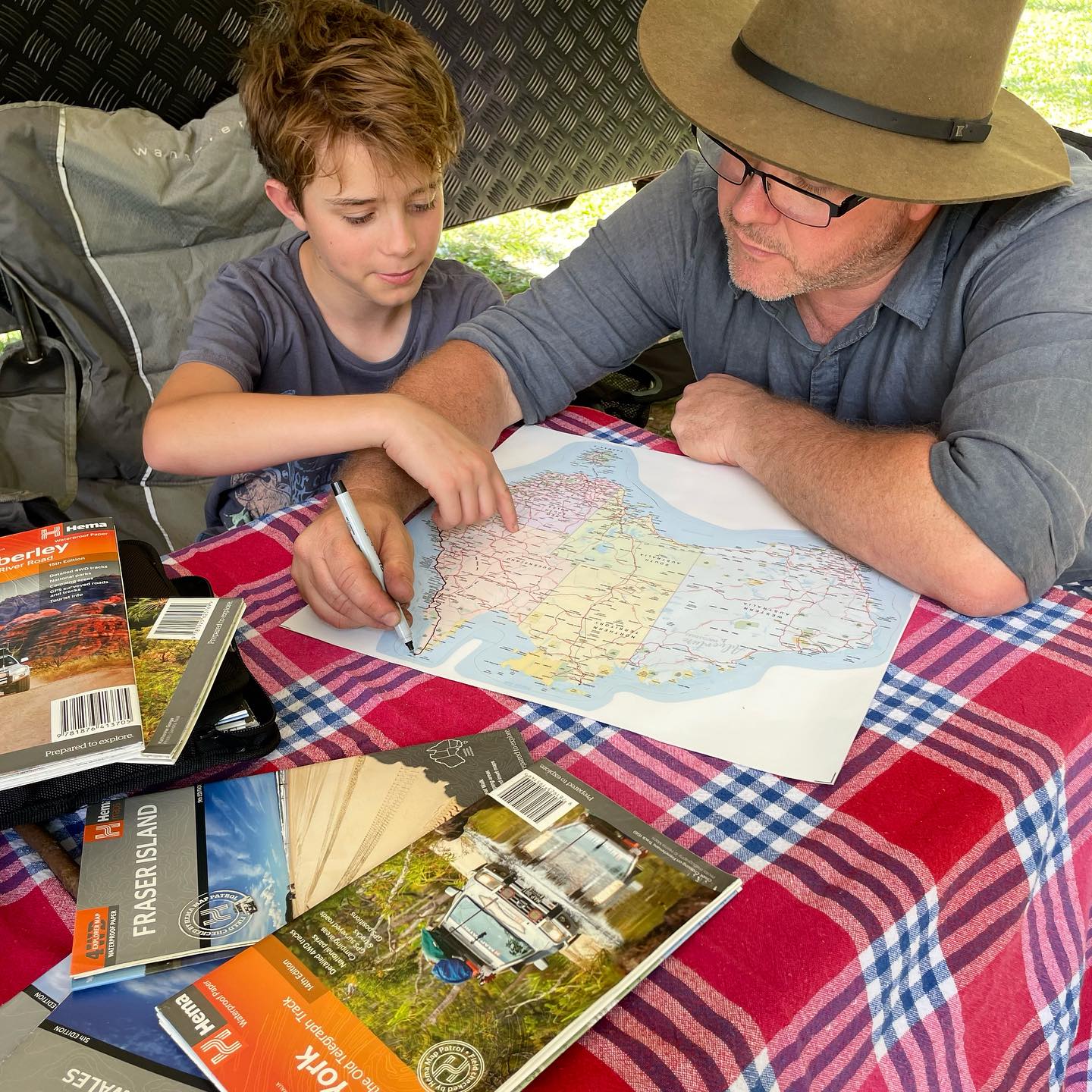
Our road trip basics would include water, light snacks, a change of clothes somewhere easy to reach, wipes, a plastic or wet bag and something to use if they are sick.

And this is one time when we will happily tell you not to use one of our own products while the car is moving.

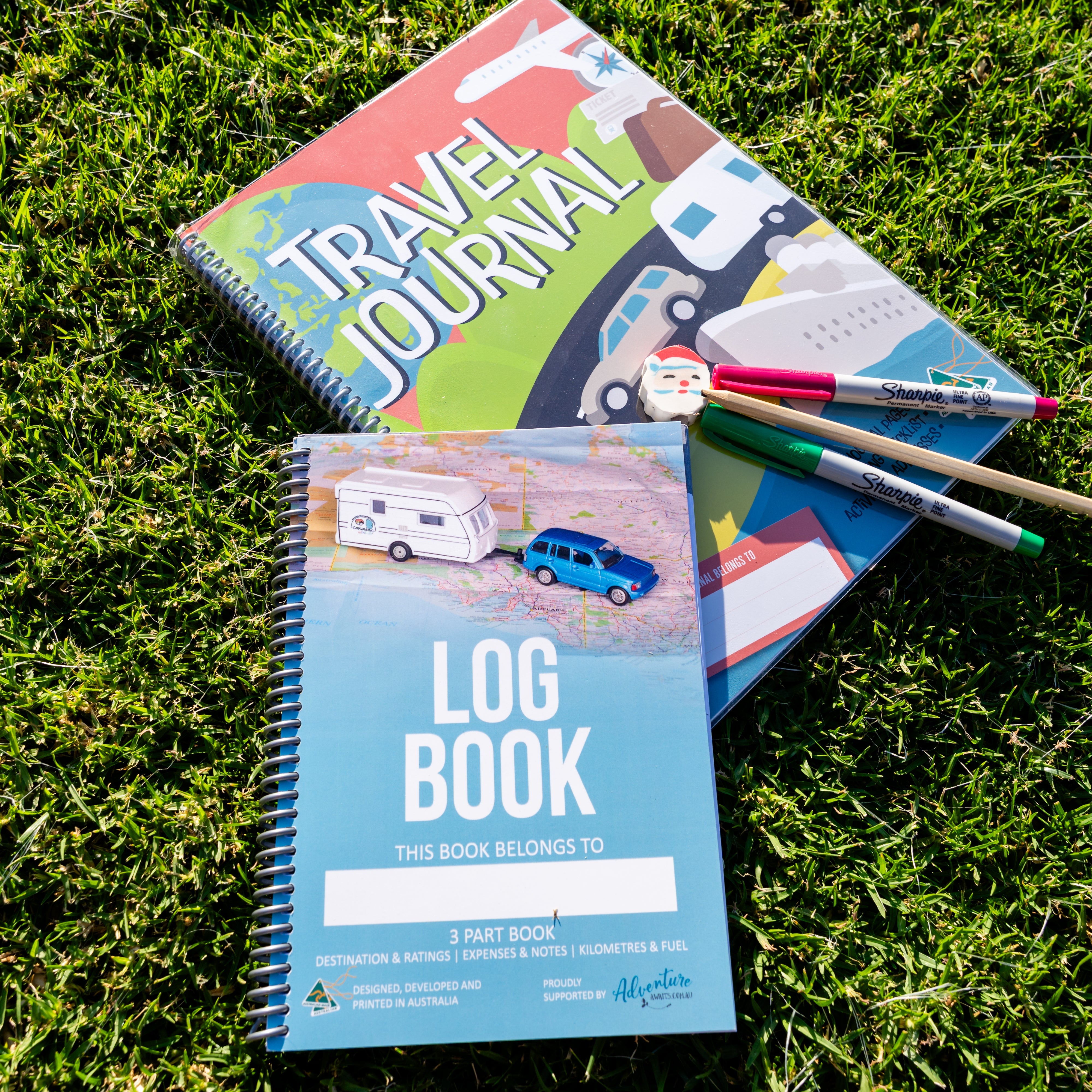
We love our Australian Made Kids Travel Journal, but if your child gets carsick, save the writing and drawing for your next stop. Let them fill it in at the caravan park, motel or campsite rather than looking down at it while the vehicle is moving.

Does Putting Something Cool on the Back of Your Neck Help?

This was the tip from Jess that started this whole article.

She told us she had learnt years ago that putting something cold on the back of her neck helped when she was feeling seasick, although ice itself was too cold.

There isn't good evidence that cooling the back of your neck actually prevents or treats motion sickness, so we aren't going to tell you that a cooling towel is a sea sickness cure.

But nausea can leave you feeling hot, clammy and generally awful, and if something cool around your neck makes you feel more comfortable, it can be a handy thing to have with you.

Our Cooling Towels are lightweight, reusable and easy to keep in a day bag, glovebox or caravan. Wet one, wring it out and give it a snap to activate the cooling effect, then wear it around your neck or over your head.

They're certainly not just for travel sickness either. We originally stocked them for hot days, sport, camping, walking, gardening and those Australian summer days when you feel like you're melting before lunchtime.

What About Ginger for Travel Sickness?

Ginger is probably one of the best-known natural options for nausea.

There is some evidence that ginger may help with nausea and vomiting, including motion sickness, although the research specifically for travel sickness is mixed.

If ginger is something you already enjoy, ginger tea, ginger lollies or ginger biscuits can be easy to pack for a road trip or cruise. Just don't treat it as a guaranteed cure.

Do Travel Sickness Wristbands Work?

This is another one people swear by.

Travel sickness wristbands usually work by applying pressure to a point on the wrist. Some travellers genuinely feel they help, but research hasn't shown them to be reliably better than a placebo for preventing motion sickness.

If you already use one and feel better with it, that's up to you. We just wouldn't rely on a wristband alone if you know you get badly motion sick.

What Helps With Sea Sickness?

The same basic principles apply on a boat.

Get some fresh air if you can, look towards the horizon rather than down at a book or phone, eat lightly and try to stay somewhere that feels as steady as possible.

If you know you regularly suffer from sea sickness, it is worth planning ahead rather than waiting until you're already feeling awful.

Travel sickness medicines are available, but they can cause side effects such as drowsiness. A pharmacist or doctor can help you work out what is suitable, particularly for children, during pregnancy or if you take other medicines.

What About Cruises?

Cruises are an interesting one because plenty of people who have never felt carsick in their life suddenly discover they don't love the movement of a ship.

If you are worried about sea sickness before a cruise, pack your travel-sickness bits somewhere easy to reach rather than putting them in the suitcase that disappears at check-in.

A small day bag with water, light snacks, any medication recommended for you, a cooling towel, wipes and a change of clothes for children can save a lot of stress.

Natural Ways to Help With Travel Sickness

If you'd prefer to start with simple non-medication options, try:

  • looking at the horizon
  • fresh air
  • facing forwards
  • keeping your head still
  • avoiding books and screens
  • eating lightly
  • sipping water
  • controlled, steady breathing
  • listening to music or an audiobook
  • ginger, if you find it helpful
  • using something cool for comfort if you're feeling hot and clammy

None of these is a guaranteed cure, but they are easy things to try and many cost absolutely nothing.

What Should You Pack for a Carsick Traveller?

After plenty of family road trips, we are big believers in having the boring practical stuff where you can actually reach it.

  • Water bottle
  • Light snacks
  • Wipes or tissues
  • Vomiting bags
  • Spare clothes
  • A wet bag or plastic bag
  • A small towel
  • Cooling towel
  • Audio entertainment
  • Any travel sickness medication recommended for you

If you're heading away with kids, our Kids Travel Essentials collection has plenty of other handy bits for road trips, camping, caravanning and holidays.

When Should You Get Medical Advice?

Most motion sickness settles once the movement stops.

If you feel dizzy or nauseous when you aren't travelling, the symptoms are unusual for you, or they don't settle as expected, it is worth speaking with your doctor.

If you're considering travel sickness medication, ask a pharmacist or doctor for advice, particularly for children, during pregnancy or if you take other medicines.

Travel Sickness FAQs

What is the quickest way to help car sickness?
Look outside towards the horizon, stop reading or looking at screens, get some fresh air and keep your head relatively still. If possible, take a break from the journey.

Why does looking at a phone make car sickness worse?
Your eyes are focused on something that appears stationary while your inner ear senses movement. That mismatch can trigger motion sickness.

Is car sickness more common in children?
Yes. Motion sickness is particularly common in children, although adults can experience it too.

Does ginger help with car sickness?
Ginger may help some people with nausea, but evidence specifically for motion sickness is mixed. It can still be a simple option to try if you enjoy ginger.

Can a cooling towel stop motion sickness?
A cooling towel isn't a treatment for motion sickness. Some people find something cool around their neck comforting when they're feeling hot, clammy or nauseous.

Should kids read or use an iPad if they get carsick?
Usually not. Looking down at a book or screen can make motion sickness worse, so looking outside, listening to music or using an audiobook is often a better option.

The Bottom Line

Travel sickness is one of those annoying things that can affect anyone, from kids in the back seat to adults on ferries, planes and cruise ships.

The best place to start is usually simple: look up, look outside, get some fresh air, eat lightly and avoid staring at a screen.

And thanks to Jess, we'll now be adding a cooling towel to the list of things worth having nearby. Not because it's a cure, but because sometimes when you're feeling hot, clammy and miserable, a little bit of cool relief is very welcome.

Thanks for the tip, Jess. This article is officially your fault. 😉

Leave a comment

Please note, comments need to be approved before they are published.