Australian Gifts for a Host Family | Exchange Student Guide

Australian Gifts for a Host Family | Exchange Student Guide

Our daughter Kate leaves for Canada in January on a student exchange. Somewhere between the visa paperwork and the insurance forms came a question nobody had warned us about: what on earth do you take a family you have never met, who are about to give your kid a bedroom for a year?

Every exchange program recommends bringing something from home. None of them tell you what. So we worked it out, and it turns out the answer has less to do with finding something nice and more to do with weight, customs and what survives being sat on by a baggage handler in Dubai.


🧳 The thing nobody mentions: you have 23 kilos

Twenty three kilograms for a year of your life. Clothes for two seasons you have never experienced, shoes, a laptop, toiletries, and whatever your mother insists on.

Which means every gift has to earn its place. A beautiful heavy thing costs your kid a pair of jeans. We learned to ask three questions about everything:

  • How much does it weigh? Anything over about 400g needs a very good reason.
  • Is it flat? Flat things slide between layers. Round things need their own real estate.
  • Will it survive? Checked luggage is not gentle. If you would not throw it down the hallway, think twice.

Fabric, paper and small soft things win. Ceramics, glass and anything in a rigid box loses.


🛂 The customs question, answered honestly

This is what everyone worries about, and the honest answer is that it depends entirely on where you are going.

Non-food gifts are almost never a problem. Tea towels, toys, books, games, homewares. Declare them if asked, carry on with your day.

Food is where it gets complicated, and the rules differ by country and change without much notice. The classic Aussie care package of Vegemite and Tim Tams is usually fine, but "usually" is doing some work in that sentence, and anything containing meat, dairy, honey or seeds is a different conversation entirely.

So: check your destination's own border or agriculture website before you pack, not a forum post from 2019. It takes ten minutes and it beats watching something go in the bin at the airport.

Our approach was simple. The gifts that mattered were non-food. The Vegemite went in as a bonus, on the understanding that it might not make it.


🎁 For the host parents

This is the gift that matters most and the one people most often get wrong. Resist the airport souvenir shop. A host family does not want a boomerang they will never throw or a stubby holder they will not understand.

What works is something they will actually use, that quietly says Australia every time they do.

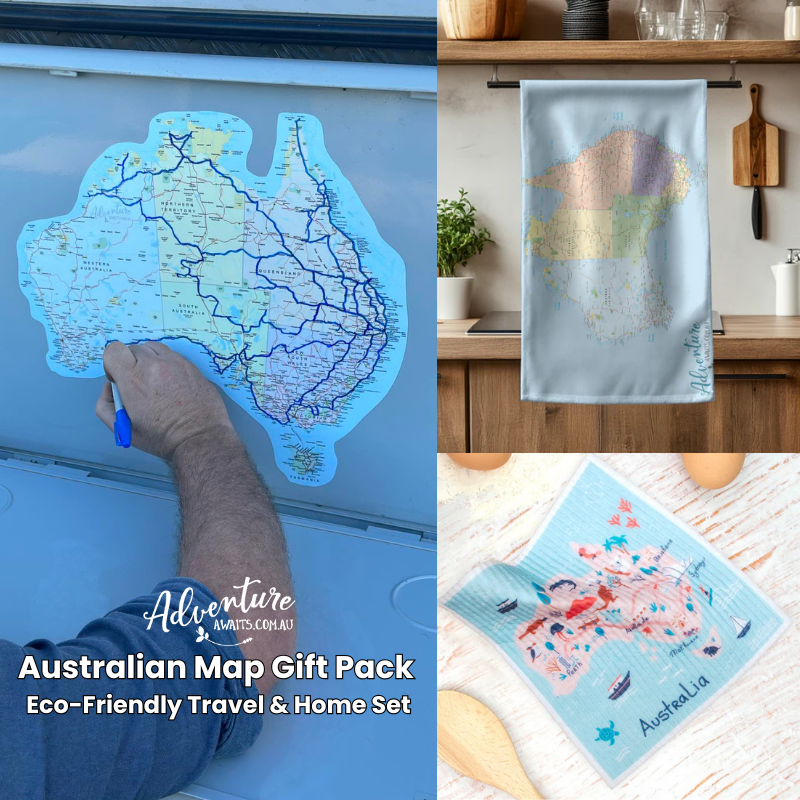
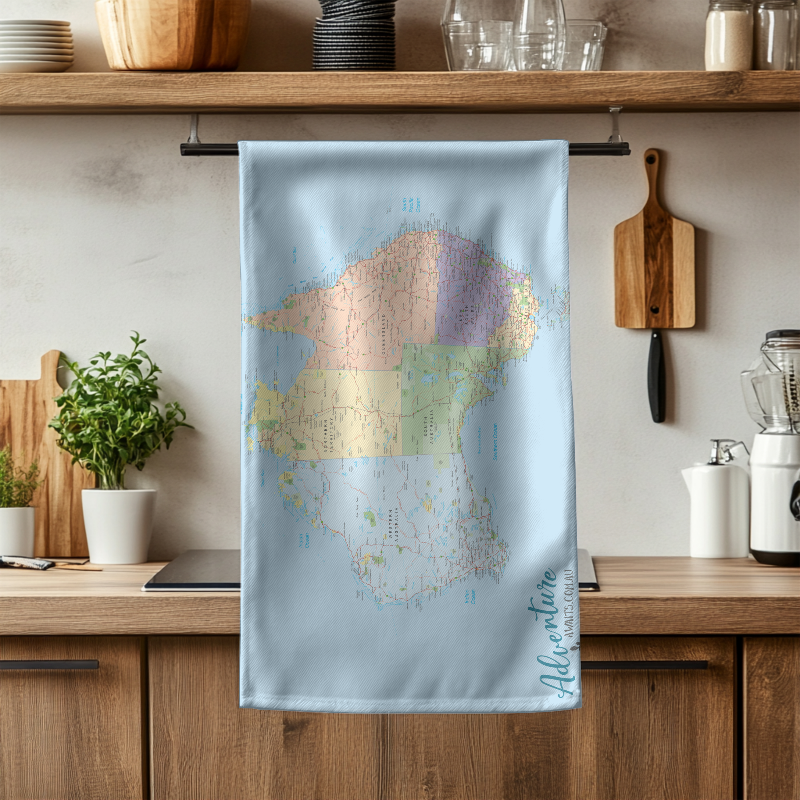
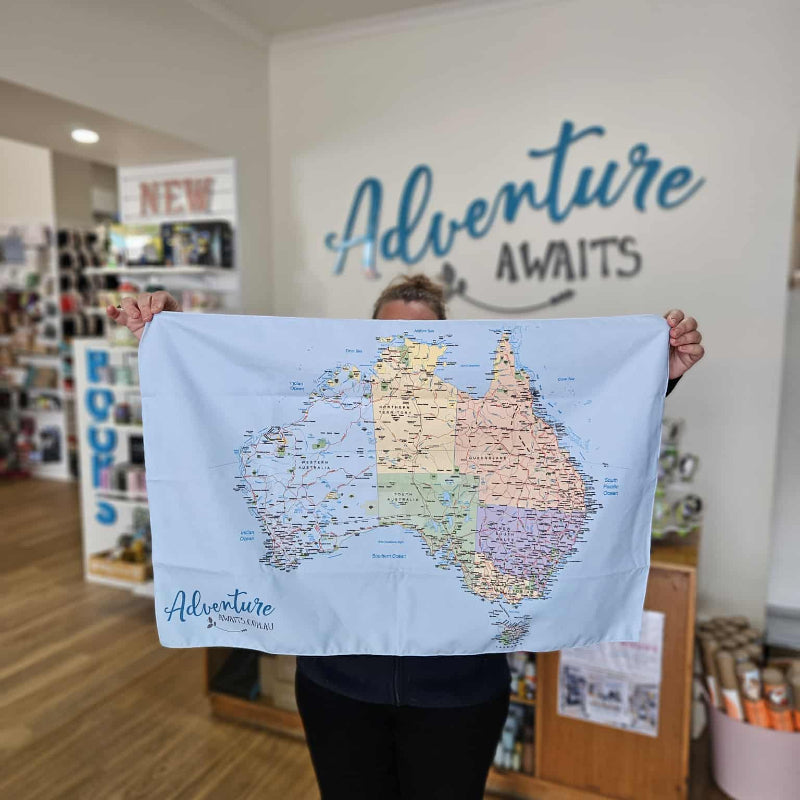
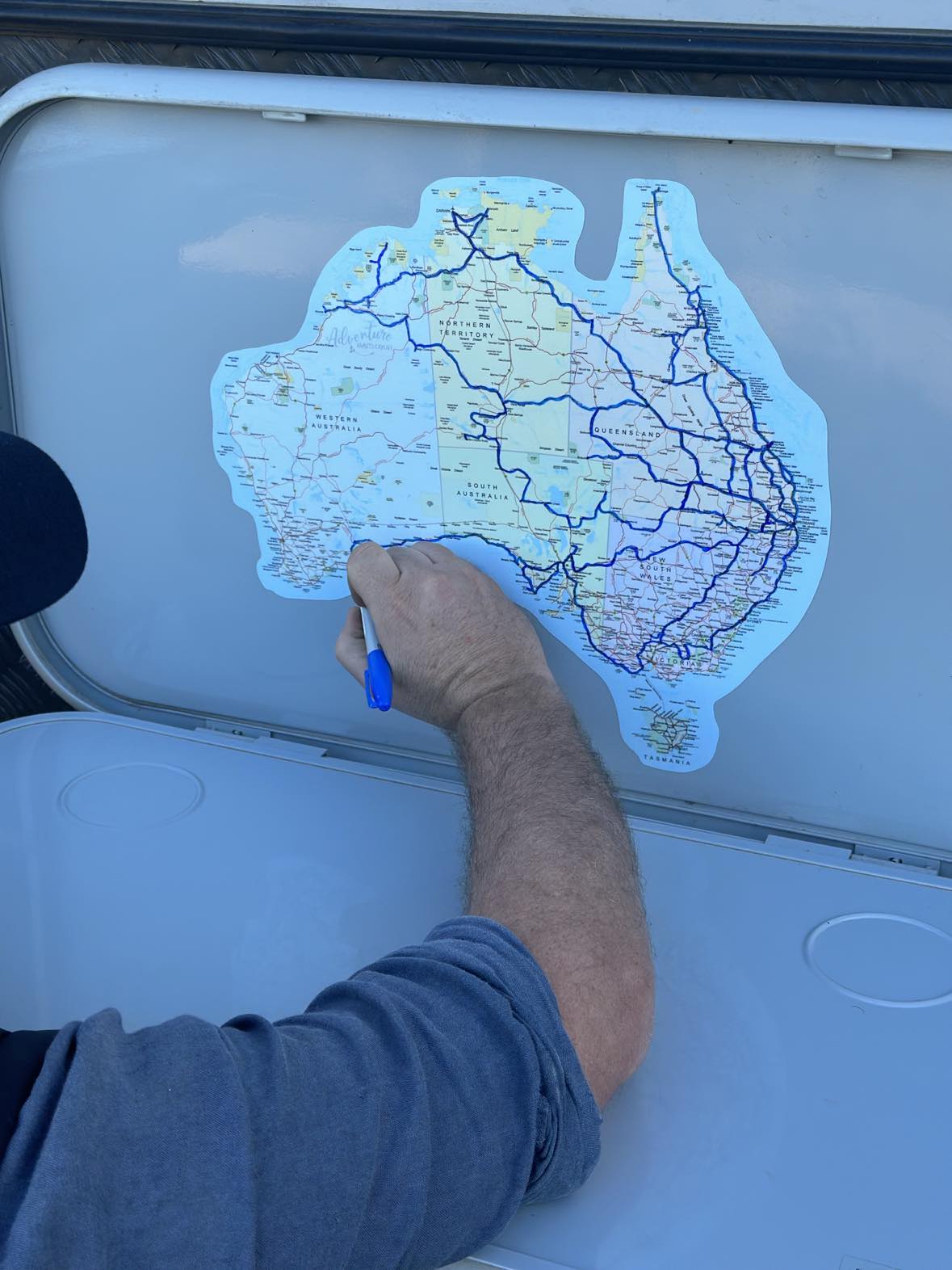
The Map of Australia Eco Tea Towel is the one we settled on, and if you take nothing else from this article, take this. It is 100% Australian made and designed, it is 75cm by 50cm of flat fabric that weighs almost nothing, it comes in a matching gift box so it presents properly, and it is made from RPET recycled yarn, which keeps about five plastic bottles out of landfill per towel.

But the real reason it works is this: every time they dry a dish for the next five years, they will look at a map of where their exchange kid came from. That is a better gift than anything that sits on a shelf. $29.95.

The Retro Kitchen compostable dish cloths are the sleeper pick of this whole list. Seventeen by twenty centimetres, cotton and cellulose, fully compostable at the end of their life, and $8.95. They weigh nothing and take up no room whatsoever.

The designs are the good bit. Wombat, kangaroo, koala, echidna, pelican, cockatoo, waratah, gumnut, seagull, and a caravans Australia map among a lot of others. Pick two or three and you have a proper gift for under thirty dollars that packs flatter than a paperback.

Fair warning though. Hand your host family a tea towel and a dish cloth and you have fairly comprehensively volunteered yourself for the washing up.

Banksia Red coasters are the other practical one. Six coasters at 10cm square, designs by Australian artists featuring Australian animals and parrots, cork backed and lacquered so they handle daily use. They stack flat, they are not fragile, and a set of six means they go on the table rather than in a drawer. $14.95.

If you want one bigger gift for the whole family rather than several small ones, Travel Bug, Australian Edition is the pick. Players travel around Australia by road, rail, air and sea collecting souvenirs. It is for ages six and up, two or more players, and runs half an hour to an hour.

Two honest warnings. At $59.95 it is the expensive option, and it is the heaviest thing on this list. But the board is fabric and folds into the box, so it packs better than most games, and it does something none of the others do: it teaches a family on the other side of the world where their exchange student actually comes from, while everyone is sitting around a table together. If you only have room for one thing, this or the tea towel.


🧸 For the host siblings

The genuinely awkward bit. You are buying for children you have never met, whose ages you half know, in a country where you do not know what is already popular.

The answer is small, unbreakable and recognisably Australian.

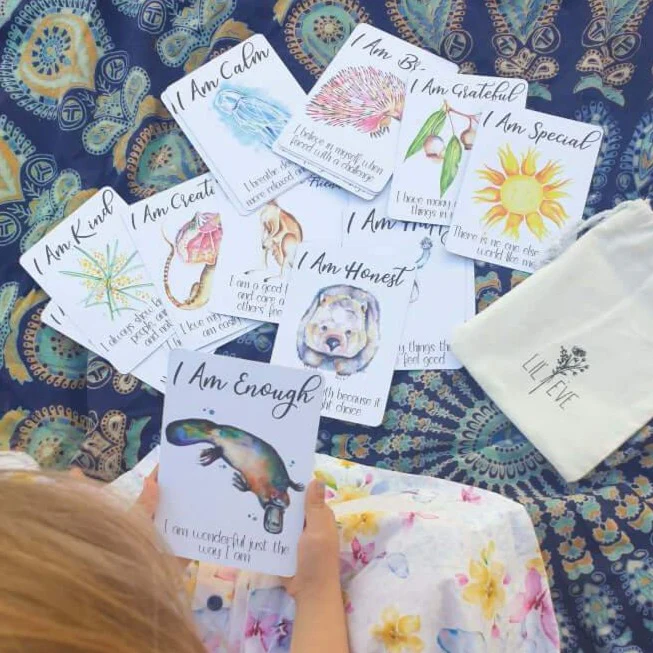
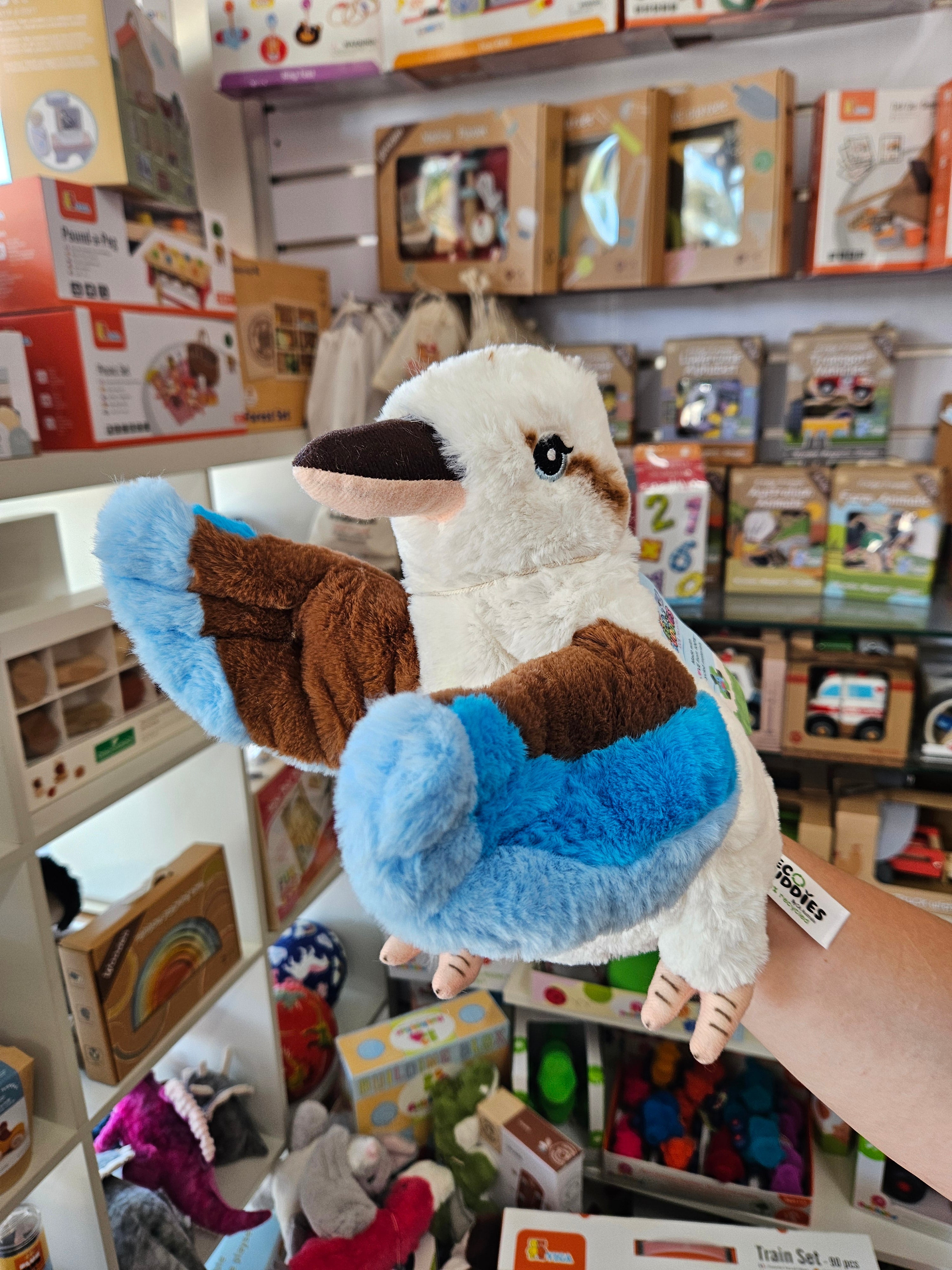
Baby Handfuls Australian wildlife plush are the easiest win in this whole article. Thirteen centimetres, soft, eco fabric, completely unbreakable, and the range covers koala, wombat, kangaroo, platypus, echidna, Tassie devil, emu, lorikeet, dingo pup, turtle, crocodile and bilby.

A platypus is a brilliant thing to hand a child who has never seen one. Half of them will not believe it is real. $14.95 and you can fit three in a shoe.

Lil Gemz collectible squishy gems suit the slightly older ones, with a little animal figurine suspended inside a squishy gem. Kangaroo, koala, bee and sea turtle. They are tiny, they weigh nothing, and they survive a pocket. $12.95.

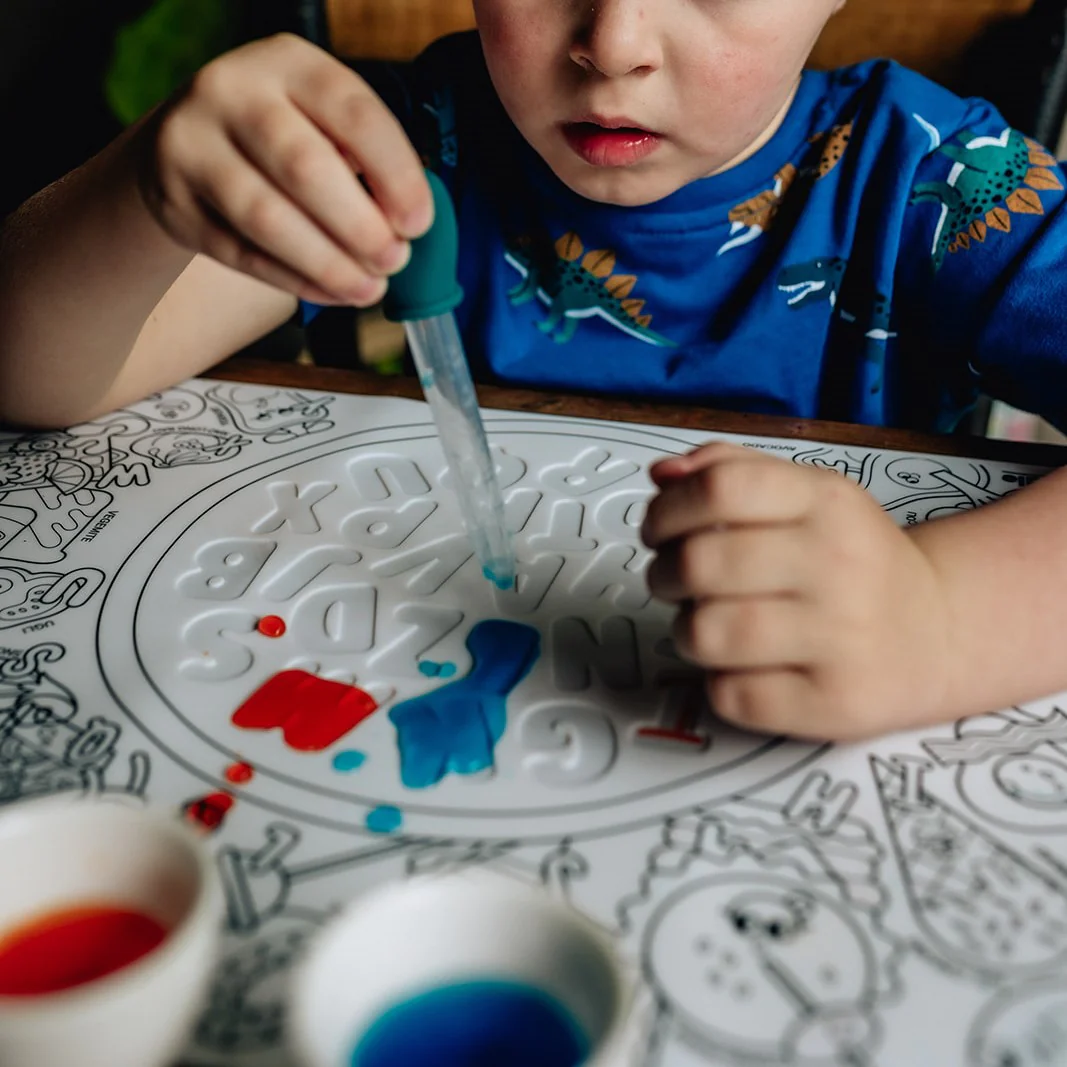
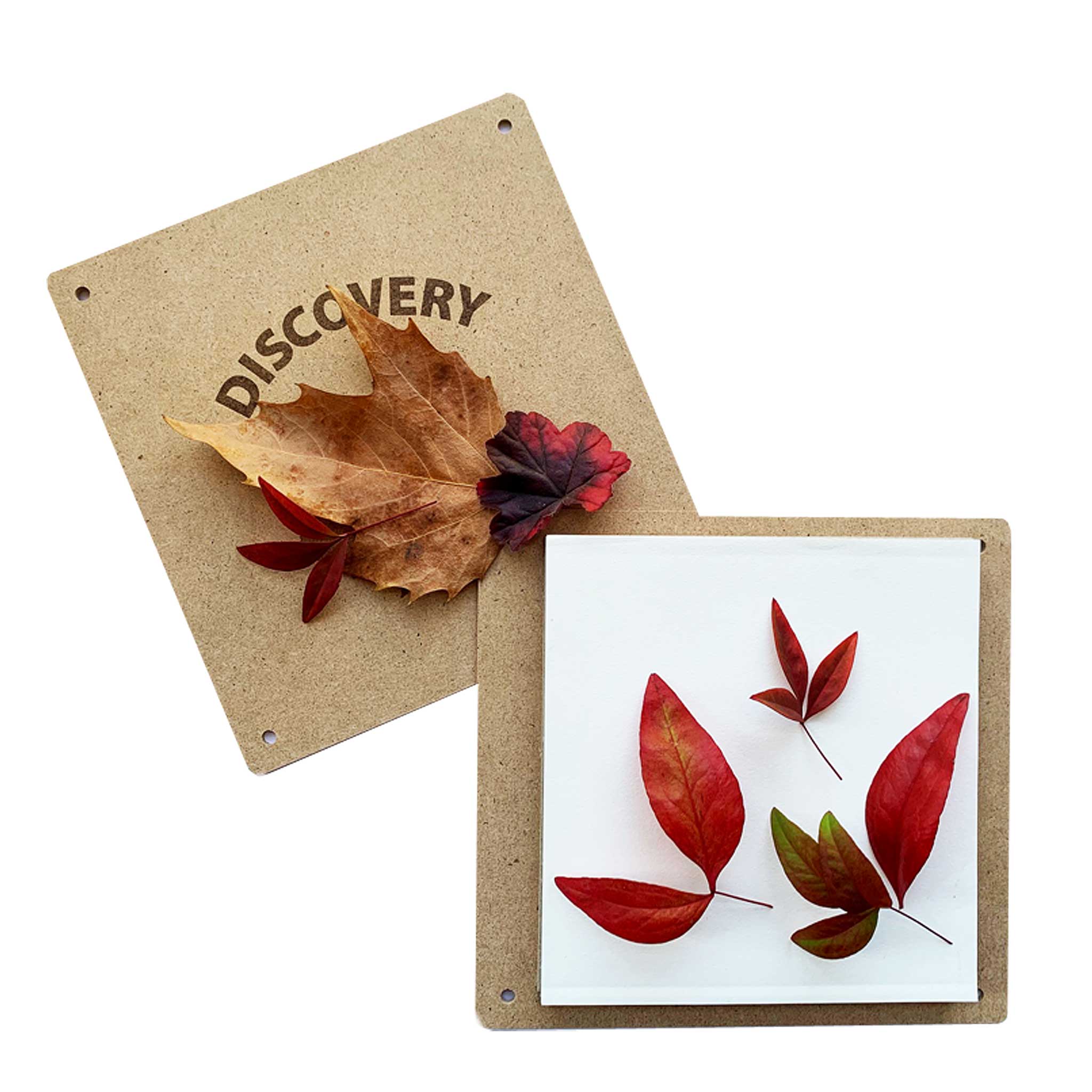
For a very small host sibling, around one to four, the Tiger Tribe Magic Painting World, Aussie Animals is lovely. Four boards and a water brush, no paint and no mess. Colours appear where you paint with water and fade back to white as it dries, so it never runs out.

Kangaroos, koalas, kookaburras, cockatoos and dingoes. Each board is about 15cm by 20cm and it comes in a sturdy travel box, which also makes it the single best thing you can have in your own carry-on for a fourteen hour flight. $15.


✈️ And something for yourself

Easy to forget in all the buying for other people. A year is a long time and the first few weeks are harder than anyone admits.

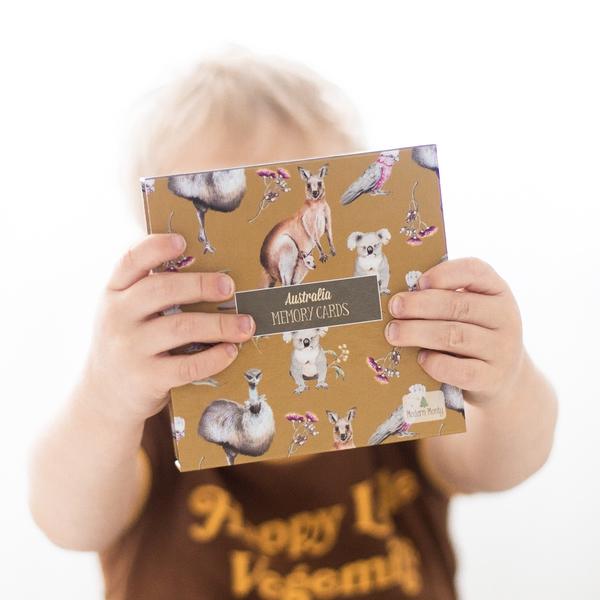
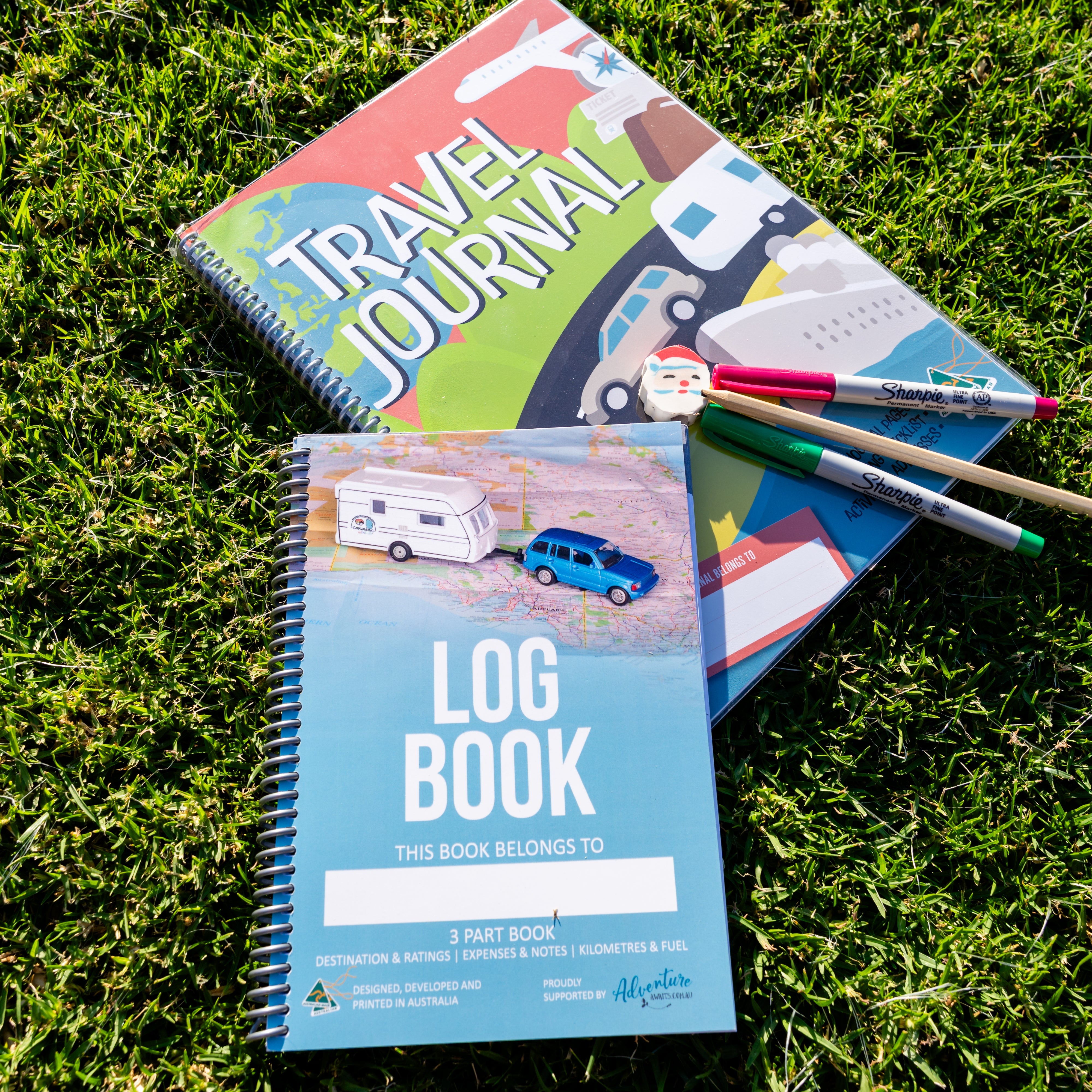
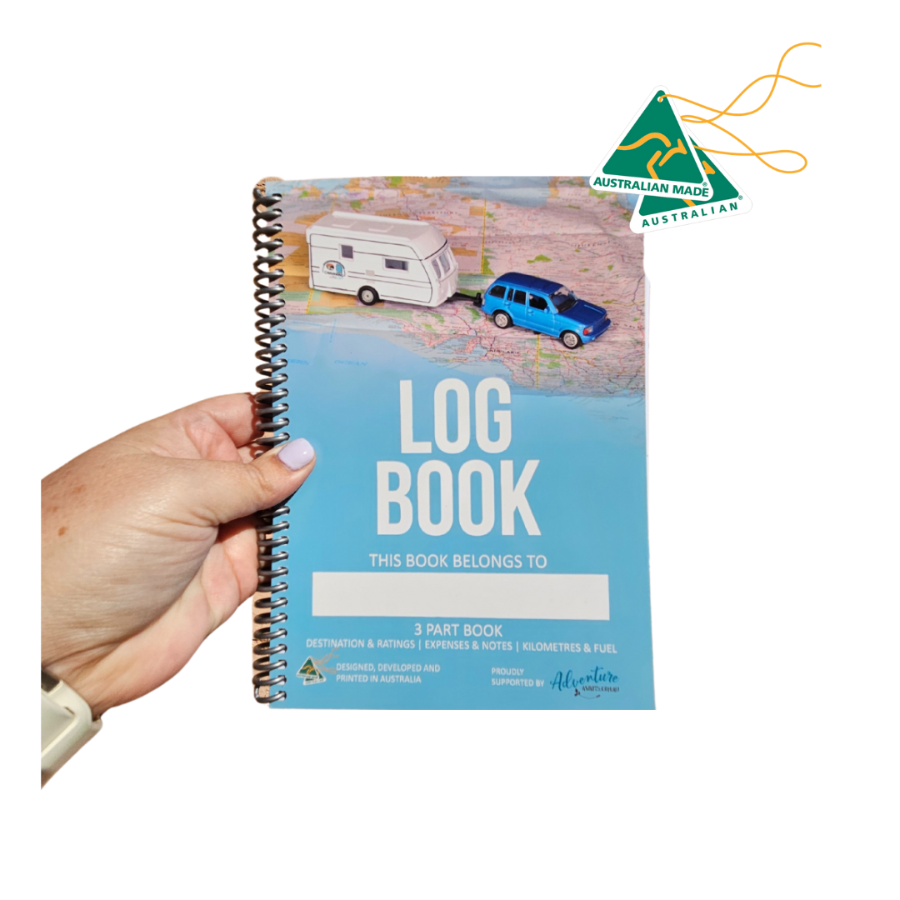
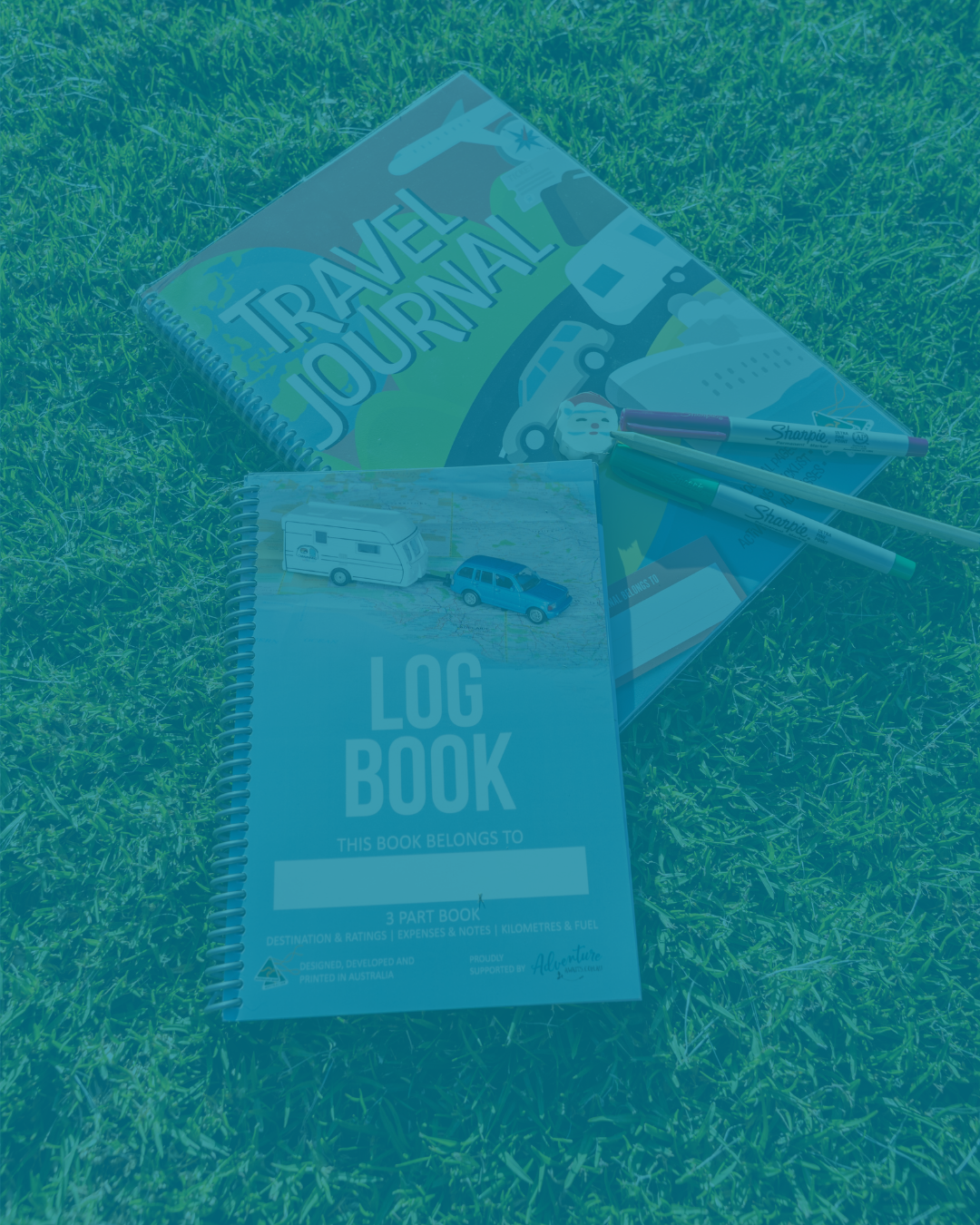
The Kids Travel Journal is Australian made and was designed for road trips, but it does the same job on exchange. Somewhere to put the things you will otherwise forget: the name of the dog, what the first day of school was actually like, the food you could not identify. Kate will thank herself in about fifteen years.

And if you are the one staying home watching them go, the Travel Keepsake Card and Charm is a small thing to send them off with. A card with space to write something, a charm to keep, and a magnet so the card goes on a fridge or a wall in a bedroom on the other side of the world. $9.95, and it weighs nothing.


🚫 What to leave at home

  • Anything breakable. Mugs, ceramics, framed things. Checked luggage is not careful and arriving with a box of pieces is a sad way to start.
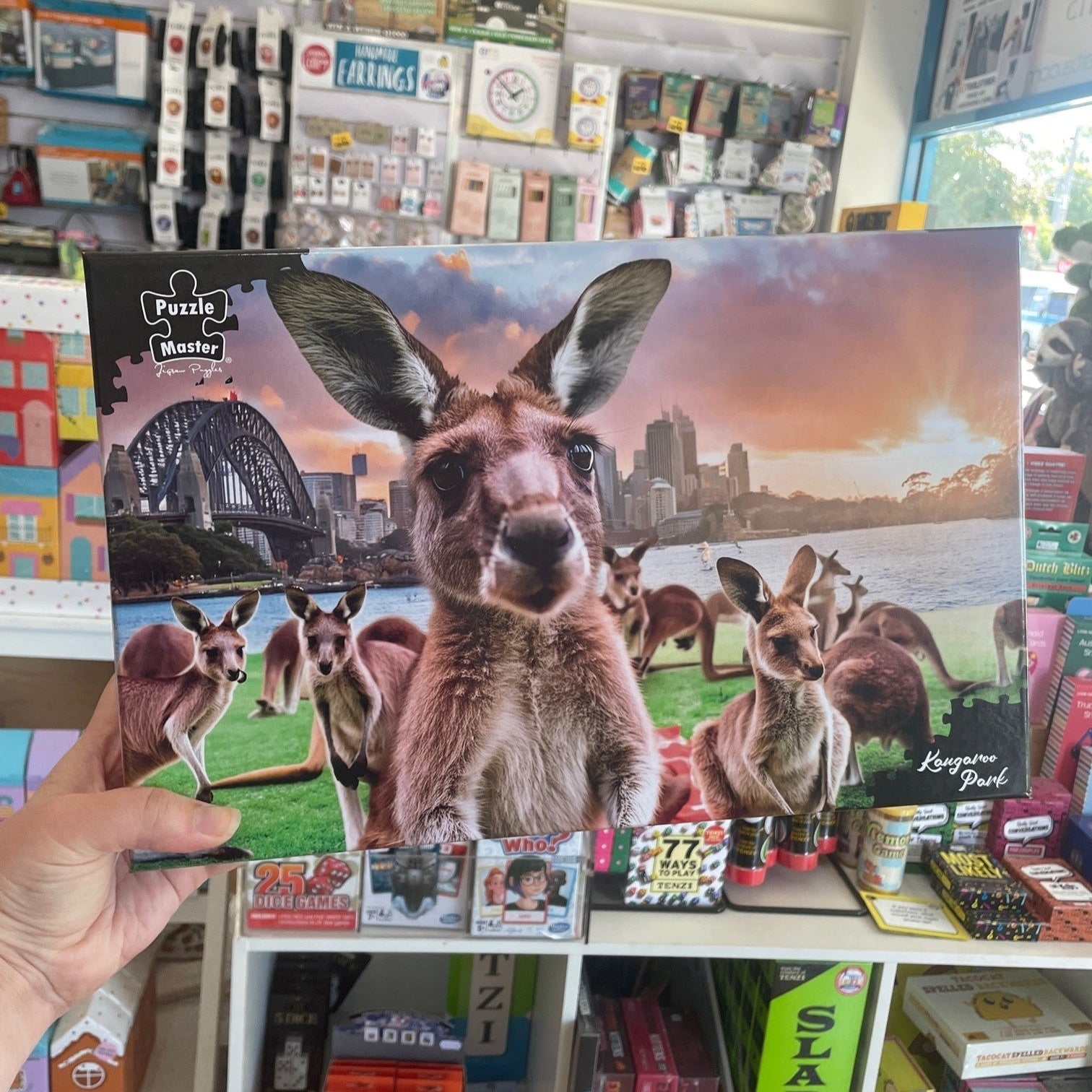
  • Jigsaw puzzles. Lovely gift, terrible shape. All box, all air, and the box corners crush.
  • Airport souvenirs. The host family can tell. Everybody can tell.
  • Anything needing explanation. If you have to describe what it is for, it is going in a cupboard.
  • Too much. Two or three thoughtful things beat eight random ones, and your kid needs that space for shoes.

❓ Common questions

How many gifts should an exchange student bring?
One proper gift for the host parents, one small thing per host sibling, and something for the household if there is room. Three or four items total. More than that and you are packing a market stall.

How much should you spend?
Somewhere between $50 and $120 covers it comfortably. The host family is not expecting a grand gesture, and spending big can be more awkward than it is generous.

Can you take food?
Sometimes, depending on the country and the food. Check the destination's official border website before you pack, and treat any food as a bonus rather than the main gift.

What if you do not know the host siblings' ages?
Ask. Most programs will pass on a question, and host families are usually delighted to be asked. If you genuinely cannot find out, soft toys work from about two to about twelve, which covers most of it.

When should you buy?
Earlier than you think. Everything needs to be in the suitcase at the trial pack, not arriving the week of the flight. For a January departure, buy in November.


There is more in our Australiana range if none of the above is quite right, and we are happy to talk it through if you are stuck. We have just been through it ourselves.

Kate flies out in January. The tea towel is already packed.

Leave a comment

Please note, comments need to be approved before they are published.